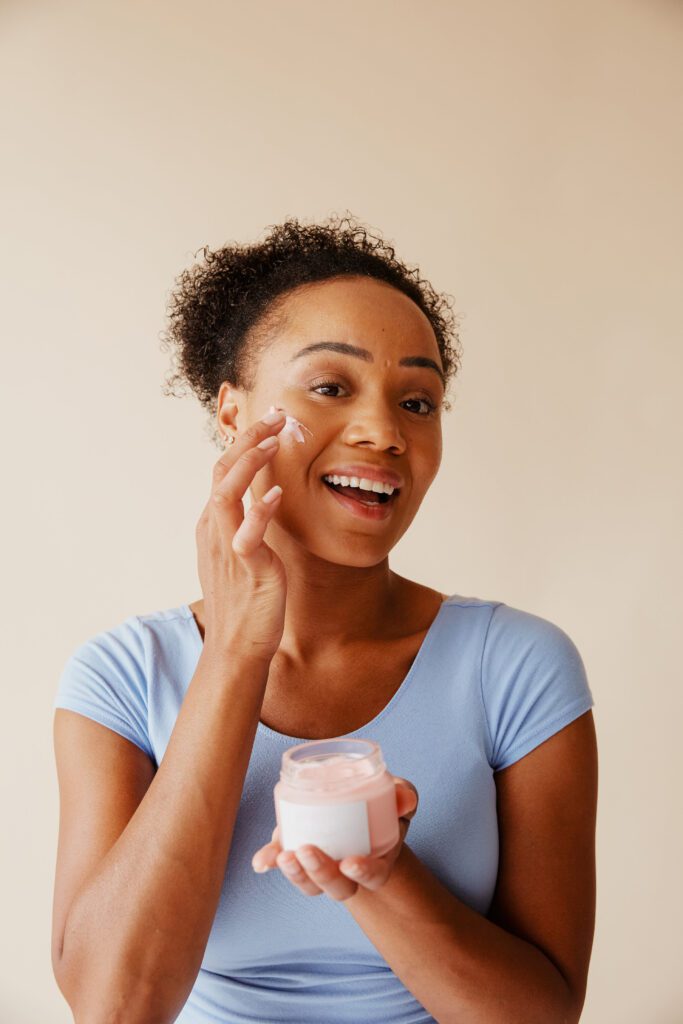
Managing oily yet dehydrated skin can be a challenging task, given that these two conditions may seem contradictory at first. However, you can have skin that is both oily and dehydrated, requiring a specific and well-rounded skincare routine.
Oily skin is often a result of increased sebum production, which can lead to a shiny appearance, enlarged pores, and acne flare-ups. Meanwhile, dehydrated skin lacks water content and may appear tight, dull, or flaky.
Addressing both concerns simultaneously necessitates a thoughtful and targeted approach that considers the unique characteristics of this skin type. Understanding the underlying causes of oily-dehydrated skin and tailoring a skincare regimen accordingly can significantly improve the health and appearance of one’s complexion.
In this article we will discuss several recommendations for establishing an effective oily-dehydrated skin routine that aims to restore a healthy balance and achieve a radiant glow.
Causes of Oily-Dehydrated Skin
Oily-dehydrated skin can be a complex issue to tackle, as it involves both an excess of oil and a lack of hydration. Several factors contribute to this skin condition:
- Age: As people age, their skin tends to produce less oil, which can lead to a compromised skin barrier and, eventually, dehydration. However, some individuals may still experience an overproduction of oil due to genetics or other factors, resulting in a combination of oily and dehydrated skin.
- Genetics also influence the occurrence of oily-dehydrated skin. Some individuals are genetically predisposed to having larger sebaceous glands that produce more oil, which may not effectively hydrate the skin and contribute to dehydration, despite having an oily surface.
- Skin type is another important factor to consider when addressing oily-dehydrated skin. People with oily skin inherently produce more sebum, which can lead to clogged pores and an accumulation of dead skin cells. Over time, this can result in a lack of proper hydration, causing the skin to become dehydrated as well. Similarly, individuals with dry skin may have an impaired skin barrier that allows moisture to escape, which can further exacerbate the issue.
- Excess oil production is a key contributor to oily-dehydrated skin. Various factors can trigger an overproduction of sebum, including hormonal fluctuations, stress, and environmental conditions like humidity and heat.
While excess oil may give the skin a greasy appearance, it does not necessarily provide adequate hydration to the skin, leading to the development of dehydrated skin underneath the oily layer. To address this issue, it is crucial to find a skincare routine that manages both oil production and provides proper hydration to the skin.
Identifying Oily-Dehydrated Skin
Oily-dehydrated skin can be a challenging skin condition to identify and manage. This type of skin appears oily on the surface, particularly in the T-zone (forehead, nose, and chin), but the deeper layers lack essential hydration.

Those dealing with oily-dehydrated skin may experience tightness, fine lines, and persistent breakouts due to excessive oil production.
While an oily T-zone is often associated with combination skin types, it can also indicate dehydrated skin. The overproduction of oil may cause the skin to become shiny and greasy, even though the underlying layers remain unbalanced and dry.
Dehydration of the skin can manifest in various ways, such as a tight or stretched sensation, particularly after cleansing, or a lack of suppleness.
People with oily-dehydrated skin might also observe that their skin looks oily on the surface, but the overall complexion appears dull and lacklustre. This can often exacerbate the look of fine lines, making them more prominent.
Fine lines are another sign of dehydrated skin. These superficial wrinkles can develop due to a combination of factors, including natural ageing and loss of skin elasticity. However, they can also be more noticeable in dehydrated skin types as the oil and hydration imbalances contribute to a less supple and more lined complexion.
Oily-Dehydrated Skincare Routine
Dehydrated-oily skin can be a challenging skin type to manage, but following a proper skincare routine can help alleviate the concerns. The essential steps include cleansing, toning, hydrating, and protecting the skin.
First, cleansing is crucial in removing excess oil and impurities from the skin. Opt for a gentle, water-based cleanser that won’t strip away natural moisture. Cleansing twice a day, morning and night, is ideal to maintain the skin’s balance.
Next, using a soothing toner that contains ingredients such as salicylic acid, glycolic acid, or lactic acid helps to exfoliate the skin, unclog pores, and prevent blackheads. Apply the toner after cleansing to refresh the skin and prepare it for the next steps in the routine.
Serums with antioxidants are an excellent addition to the skincare routine for dehydrated-oily skin. They ensure deeper hydration while protecting the skin from environmental aggressors. Choose a serum with ingredients like vitamin C or niacinamide, which can help control oil production and improve skin barrier function.
Moisturizing daily is essential in maintaining the skin’s hydration levels. Opt for a lightweight, oil-free formula that provides adequate hydration without clogging pores. As recommended by the American Academy of Dermatology, it is crucial to select a moisturizer with broad-spectrum sunscreen SPF 30 or higher for daily sun protection.
Cleansing Techniques
Cleansing is a necessary measure in dealing with oily and dehydrated skin. It is essential to choose a cleanser that matches your skin type and ensures not to strip away necessary moisture.

Using a gentle cleanser is crucial for oily-dehydrated skin. It does not aggravate the skin and maintains the right balance between removing excess oil and preserving the skin’s natural moisture barrier.
A milky cleanser is another suitable cleansing option for oily and dehydrated skin. It contains hydrating ingredients that not only help cleanse the skin but also moisturize it, resulting in a radiant and supple texture. Milky cleansers often contain ingredients like aloe vera, glycerin, or hyaluronic acid, which work together to help replenish your skin’s natural hydration levels.
While using a cleanser, avoid scrubbing your skin too harshly. Scrubbing can irritate the skin and make it look worse, as it can lead to even more oil production and dry out the skin. Instead, gently massage the cleanser into your skin with circular motions and then rinse with lukewarm water.
Remember to focus on consistency in your cleansing routine. Consistently using a gentle or milky cleanser not only helps control oil production but also ensures that the skin stays adequately hydrated.
This way, you can achieve a balance between oil control and skin hydration, supporting a healthier and more radiant complexion.
Toners
Toners help to balance the skin’s pH levels, remove excess oil, and prepare the skin for the next steps in the skincare regimen. However, it is crucial to choose a toner that is gentle and hydrating, avoiding those containing high amounts of alcohol or other irritating ingredients, such as witch hazel, menthol, citruses, and eucalyptus.
A gentle exfoliating toner is an excellent choice for people with oily-dehydrated skin, as it helps to remove dead skin cells, unclog pores, and promote cell turnover without causing irritation or dryness.
Moisturizers
Moisturizers that are both hydrating and non-comedogenic can provide much-needed hydration to the skin without clogging pores or causing breakouts.
Incorporating a gel-based moisturizer in your skincare routine can be an excellent choice for those with oily skin, as these products are lightweight and absorb quickly into the skin, providing hydration without added greasiness. One of the most popular gel-cream is Neutrogena’s Hydro Boost Gel-Cream, which has been recognized as an effective moisturizer for oily skin.

Neutrogena’s Hydro Boost Gel-Cream: The unique gel-cream formula absorbs quickly, like a gel, but has the long-lasting, intense moisturizing power of a cream, for even extra dry skin. It boosts skin’s hydration level and locks it in all day.
A balancing lotion offers an alternative approach to keeping the skin hydrated while preventing excess oil production. These lotions often contain ingredients like hyaluronic acid, which can help balance the skin’s moisture levels, and niacinamide, a B vitamin that can help control oil production. The La Roche-Posay Toleriane Double Repair Matte Moisturizer is a popular choice for people with oily skin.
La Roche Posay Toleriane Double Repair Matte Moisturizer: This lightweight moisturiser has an oil free formula that hydrates the skin without adding shine.

When choosing a moisturizer for oily-dehydrated skin, some important factors to consider include the texture of the product, the presence of non-comedogenic ingredients, and a formula that provides adequate hydration without promoting oil production.
By incorporating the right type of moisturizer, balancing lotion, or hydrating mask into your skincare routine, you can take a step towards better managing your oily-dehydrated skin.
Protecting Your Skin
A well-rounded skincare routine aims to balance oil production, restore skin hydration, and repair the skin barrier. It is important to choose products containing hydrating ingredients such as hyaluronic acid, glycerin, or ceramides.
To control oily skin, it’s essential to apply moisturizer daily and wear sunscreen outdoors. Look for moisturizers with a broad-spectrum sunscreen of at least SPF 30. Avoid using harsh soaps, scrubs, or cleansing brushes that can irritate the skin or contribute to oiliness.

For those with rosacea, it’s essential to use gentle, fragrance-free products that will not aggravate the condition. Eczema and psoriasis sufferers should consider using emollients and products that target inflammation while avoiding known irritants. If you suspect you have any of these conditions, it’s best to consult a dermatologist for proper diagnosis and treatment.
In addition to topical treatments, a healthy low glycemic index (GI) diet can benefit the skin as it helps to regulate sebum production. Incorporating foods that are lower in GI will help maintain balanced sugar and insulin levels, which can contribute to better skin health.
Hydrating Ingredients You Should Look For
Dehydrated-oily skin requires special care to restore hydration and balance oil production. Incorporating certain hydrating ingredients in a skincare routine can alleviate these concerns without adding excess oil. Here are some key ingredients known for their hydrating properties.
- Hyaluronic Acid: This powerful humectant attracts and retains moisture in the skin, making it an ideal ingredient for dehydrated skin. It helps plump skin, reducing the appearance of fine lines and dehydration-related wrinkles.
- Glycerin: A versatile ingredient, glycerin hydrates skin by attracting water to it. Its gentle, non-irritating nature makes it suitable for almost all skin types, including dehydrated-oily skin.
- Ceramides: These lipid molecules support the skin’s natural barrier function, helping to lock in moisture and protect against environmental aggressors. Including ceramides in your skincare routine can assist in repairing the skin barrier and maintaining hydration.
- Antioxidants: Ingredients like vitamin C, vitamin E, and niacinamide possess antioxidant properties that protect the skin against free radical damage and promote an even, healthy complexion. In addition, these antioxidants can contribute to reduced inflammation and increased skin hydration.
When selecting products for a skincare routine, look for those that contain these hydrating ingredients. Avoid harsh substances, such as alcohol and fragrances, that can strip the skin of its natural moisture.
How to Maintain a Healthy Skin
Sunscreen is a non-negotiable aspect of skincare and must be included in any routine. Not only does it protect the skin from harmful UV rays, but it also helps prevent premature ageing and the development of fine lines. Choose a broad-spectrum, oil-free sunscreen with at least SPF 30, and apply it daily.
It is also necessary to hydrate the skin to combat dehydration. Although it may seem counterintuitive, oily skin requires hydration, especially when stressed or exposed to changes in the environment.
In addition, addressing lifestyle factors like diet, stress, and sleep may have a positive impact on the health of dehydrated-oily skin. Eating a balanced diet, practising stress-reduction techniques, and enjoying quality sleep each night can all contribute to optimal skin health.
Another component of maintaining healthy skin is regular exfoliation. Exfoliating helps to remove dead skin cells and can contribute to a brighter, more even complexion. Incorporating a gentle exfoliant or chemical peel into the skincare routine once or twice a week will support skin turnover and promote a smoother texture.
Remember, consistency is key, and finding the right products for your unique skin type is essential for reaping the full benefits of your skincare routine.